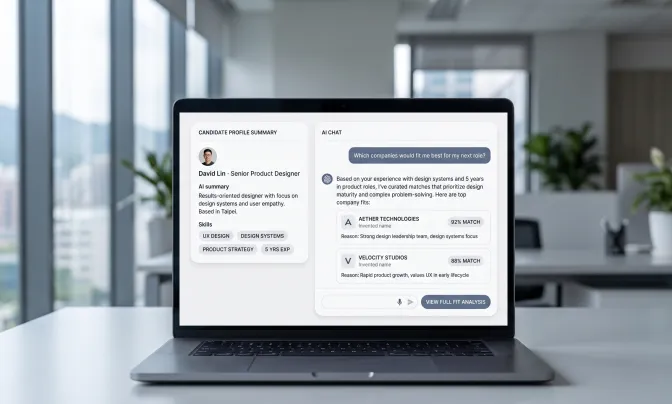
The most time-consuming part of recruitment isn't evaluating candidates, but the tedious communication process: searching resumes, gathering information, scheduling, and chasing feedback from managers. Our new AI recruitment system quickly integrates information through conversations, smoothly advancing the process, like having a digital headhunter always on standby for your team.
Common Pain Points for HR and Recruiters
Resumes scattered across platforms make searching and matching extremely time-consuming, often missing out on excellent talent. Resumes frequently lack key information, requiring follow-up calls. Scheduling interviews and collecting feedback from interviewers lead to fragmented decision-making information. When recruitment stalls, it's challenging to determine if it's due to salary conditions or if the job description needs adjustment.
Common Pain Points for Job Seekers
With too many job openings and unclear differences, job seekers often don't know which is suitable for them. Despite having qualifications, they don't receive interview invitations due to unfocused resume writing. The most anxiety-inducing aspect is the lack of transparency in the recruitment process, leaving them to wait passively after applying, and even proactive inquiries receive vague responses.
Solutions
Addressing the most time-consuming process pain points, we create a transparent and smooth smart recruitment path.
AI automatically searches resumes across platforms based on job requirements, generating a list and summarizing key highlights. Job seekers can complete expected salary and start date through conversation. Interview scheduling and rescheduling can be confirmed with just a sentence, eliminating the communication cost of back-and-forth messaging.
Job seekers express their skills and expectations through conversation, and AI instantly and accurately matches them with highly compatible job openings. The system also assists in rewriting resumes and aligning them with job keywords, significantly increasing interview invitation rates and effectively reducing the dropout rate of job seekers.
During interviews, core highlights are automatically recorded, and opinions from interviewers are integrated into a unified format, clearly presenting consensus and differences, making hiring decisions more evidence-based. After each recruitment round, data reports are generated to analyze talent loss reasons and provide adjustment suggestions, making recruitment increasingly precise.
AI can conduct regular employee interviews and compile anonymous feedback, helping HR identify team issues early and propose improvement directions.